Treatment for Stroke, Parkinson’s, MS
Recovering from neurological conditions like stroke, Parkinson’s disease, and multiple sclerosis (MS) can be tough. This journey often includes dealing with physical limits, emotional struggles, and an uncertain future. However, neurological physiotherapy offers hope, providing support, guidance, and change.
Neurological physiotherapy & rehabilitaiton goes beyond addressing symptoms; it aims to:
- Improve mobility
- Improve Strength
- Promote independence
- Improve mood and social interaction resulting in improved quality of life
What Is Neurological Physiotherapy?
Neurophysiotherapy is a type of physiotherapy focused on helping people with neurological problems. These problems, which affect the central nervous system, include stroke, Parkinson’s disease, multiple sclerosis, and brain injuries. Neurophysiotherapy uses proven methods to help people improve their abilities, regain skills, and enhance their quality of life.
A key part of neurophysiotherapy is neuroplasticity, which means the brain can reorganize itself by forming new connections. When the brain gets damaged, like in a stroke, neuroplasticity lets it adapt and make up for lost functions. Neurophysiotherapists use this to help patients re-learn motor skills, regain strength, and improve coordination.
Using exercises, manual therapy, electrical stimulation, and other methods, neurophysiotherapists aim to stimulate neural pathways, retrain motor functions, and help people return to daily activities independently.
Why Neurophysiotherapy Works for Parkinson’s & MS
Neurological physiotherapy excels in creating personalized treatment plans, carefully designed to meet each patient’s unique needs. This approach recognizes that everyone’s condition and recovery path are different, requiring a variety of tailor-made techniques and interventions. Physiotherapists work closely with patients to understand their specific challenges and goals, creating a plan to help them through recovery. In this article, we explore how neurorehabilitation not only helps physical healing with specific exercises and therapies but also builds emotional strength and renewed independence, helping patients take back their lives from neurological challenges.Neurophysiotherapy provides many benefits physically, emotionally, and mentally. It aims to improve patients’ movement, independence, and well-being. Here are some key benefits:
1. Improved Movement and Independence
Neurophysiotherapy helps patients move and do daily tasks again. Whether recovering from a stroke or dealing with Parkinson’s, physiotherapists focus on improving balance, coordination, strength, and posture. They use exercises to help regain mobility and promote independence.
This regained ability means individuals can do things that were hard before, like walking, getting out of bed, dressing, or enjoying outdoor activities. This independence boosts a person’s confidence and dignity.
2. Less Pain and Muscle Tightness
Many neurological conditions involve chronic pain or muscle tightness—when muscles become stiff or move uncontrollably. This is common for those who had a stroke or have Parkinson’s. Muscle tightness makes moving difficult and uncomfortable.
Neurophysiotherapists use treatments like stretching, electric stimulation, heat or cold therapy, and manual techniques to reduce tightness and pain. These help relax muscles, increase joint flexibility, and improve movement, making life more comfortable.
3. Support for Mind and Emotions
While focusing on physical rehabilitation, neurophysiotherapy also helps the mind and emotions. Conditions like stroke, Parkinson’s, and MS can affect thinking, memory, and emotions. Besides physical exercises, neurophysiotherapists include cognitive therapy and mental well-being strategies.
By using cognitive exercises and promoting mental health, physiotherapists help individuals deal with the emotional challenges of neurological conditions, like anxiety, depression, or frustration. Physical activity also improves mood by releasing endorphins—natural mood boosters. This addresses both body and mind, essential for full recovery.
4. Better Quality of Life
Neurophysiotherapy helps patients regain lost abilities, reduce pain, and improve their mental functions, enhancing their life quality. With better physical abilities, patients can enjoy activities they loved or join social events comfortably. It helps people return to work, school, or enjoy hobbies like gardening, swimming, or reading. Neurophysiotherapy helps patients reclaim their independence, social life, and emotional health.
Physiotherapy & Rehabilitation for Stroke
stroke occurs when blood flow to the brain is interrupted, leading to brain cell death. This can result in significant impairments such as paralysis, loss of coordination, speech difficulties, and cognitive deficits. After a stroke, neurophysiotherapy plays a crucial role in the rehabilitation process.
Stroke Rehabilitation Strategies
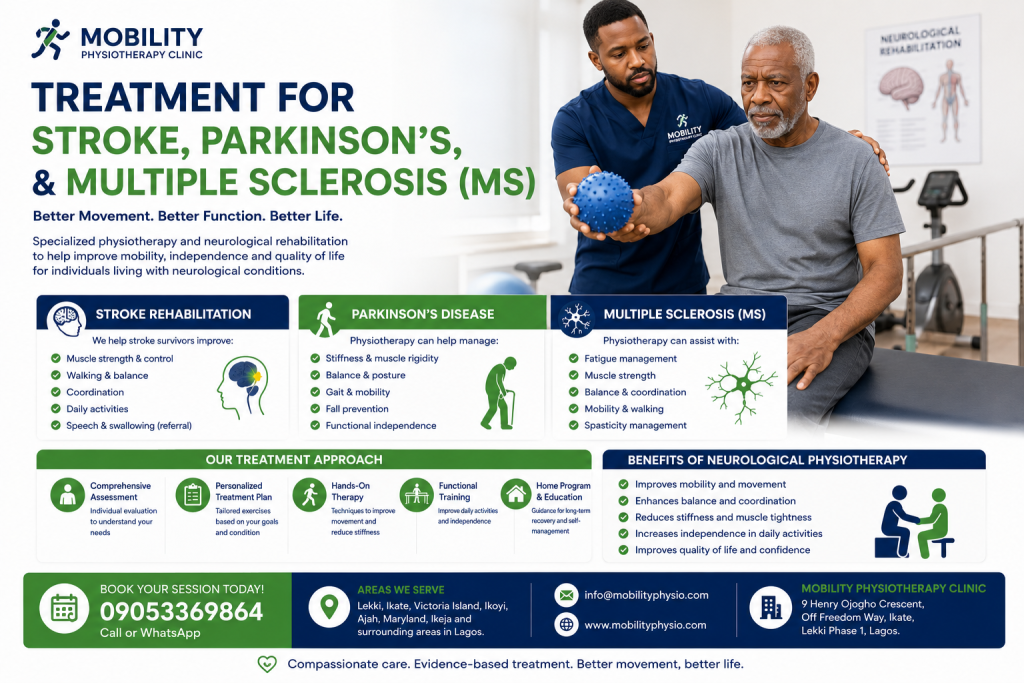
- Task-Specific Training: This strategy involves practicing exercises that closely mimic the tasks the patient wants to regain, such as walking, reaching, or grasping objects. These movements help the brain form new neural connections to compensate for lost function.
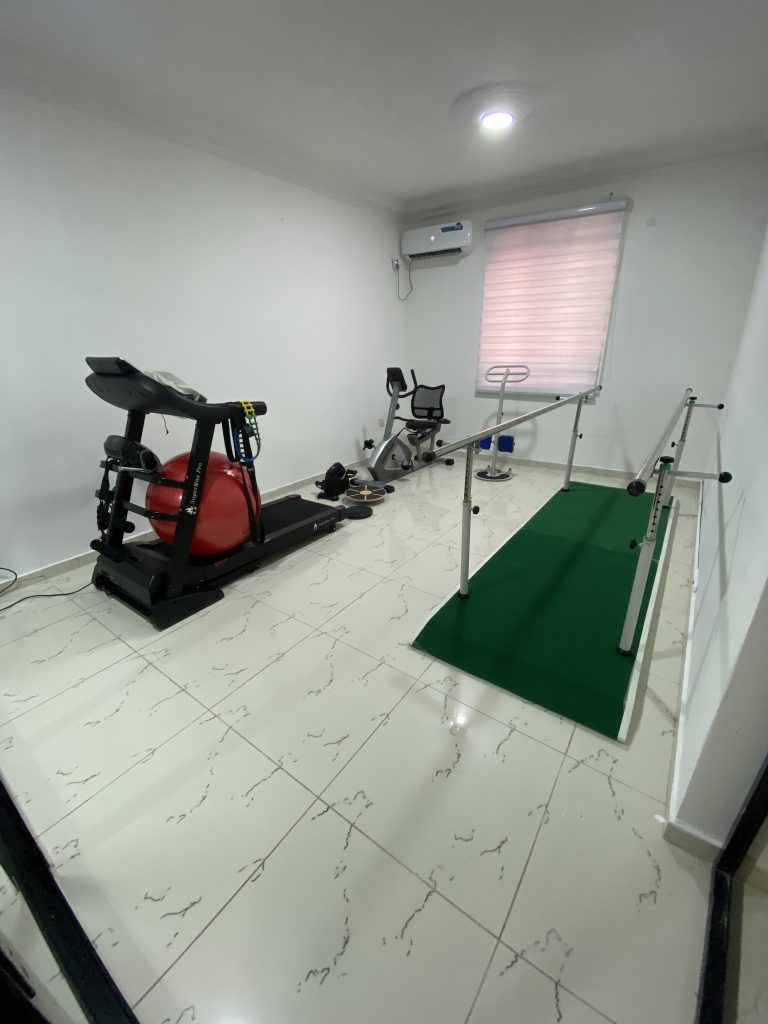
- Balance and Gait Training: Many stroke survivors experience difficulty with balance and walking. Physiotherapists use exercises designed to improve posture and stability. Walking exercises with support, such as using treadmills or robotic assistance, can help the patient regain their walking ability.
- Upper Limb Rehabilitation: A stroke can leave one side of the body weaker or paralyzed. Constraint-induced therapy is a technique used to help strengthen the paralyzed limb by forcing the patient to use it more often in daily activities, helping the brain rewire itself.
- Incorporating Technology: Technologies such as virtual reality, robot-assisted therapy, and electrical stimulation have made their way into stroke rehabilitation. These tools offer interactive exercises and rehabilitation programs that engage the patient while facilitating recovery.
Parkinson’s Rehabilitation with Physiotherapy
Parkinson’s disease is a progressive neurological disorder that primarily affects movement. Common symptoms include muscle rigidity, tremors, bradykinesia (slowness of movement), and balance problems. While Parkinson’s disease cannot be cured, neurophysiotherapy plays a critical role in managing symptoms and improving the patient’s quality of life.
Parkinson’s Disease Rehabilitation Includes:
- Strength and Endurance Training: Regular exercise strengthens core and lower body muscles. This is key for staying steady and preventing falls. It also boosts endurance, helping patients with daily activities.
- Balance and Posture Training: Postural instability is a common problem for people with Parkinson’s. Physiotherapists use exercises to improve posture and balance, reducing falls and using visual and sound cues to help patients balance better.
- Gait Training: Parkinson’s can cause a shuffling walk and trouble moving. Neurophysiotherapists teach exercises to help patients walk more smoothly. Techniques include rocking the feet forward and using sound cues like a metronome to keep a proper walking rhythm.
- Flexibility and Stretching: As muscles get stiffer in Parkinson’s, stretching is crucial to keep joints moving comfortably. It prevents joint contractures and helps improve movement range.
- Mental Well-being: Exercise boosts mood and mental health by stimulating dopamine, a brain chemical that’s lacking in Parkinson’s patients. This helps lift mood, ease depression, and support overall well-being.
MS Rehabilitation with Physiotherapy
Multiple sclerosis (MS) is a disease that affects the central nervous system, causing symptoms like muscle weakness, trouble with coordination, tiredness, and numbness. Because MS can be unpredictable, physiotherapy is key to managing the condition.
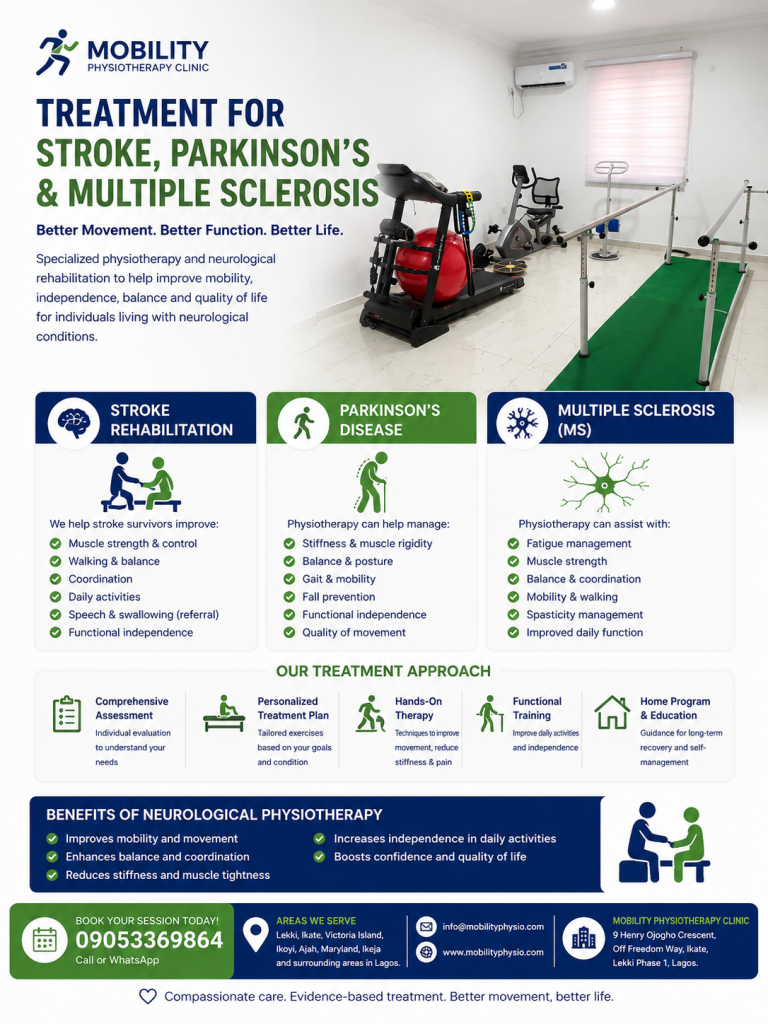
MS Physiotherapy Goals:
- Managing Tiredness: Tiredness is a common problem for people with MS. Physiotherapists help by teaching ways to save energy, like breaking up tasks into smaller parts, pacing activities, and taking breaks to rest.
- Building Strength: MS can make muscles, especially in the legs and core, weak. Physiotherapists focus on exercises to strengthen these muscles, making everyday activities easier.
- Improving Balance and Coordination: MS can affect balance, which can lead to falls. Physiotherapists use exercises to help with balance and coordination, such as using balance boards or wobble cushions.
- Using Support Tools: For those with severe symptoms, physiotherapists might suggest using tools like braces, canes, or walkers to stay mobile and prevent falls.
Neurophysiotherapy for Other Conditions
Neurophysiotherapy isn’t just for stroke, Parkinson’s, and multiple sclerosis (MS). It can also help with other neurological problems that affect movement, coordination, and daily tasks. By improving symptoms and recovery, it boosts overall quality of life.
1. Traumatic Brain Injury (TBI)
TBI, often from accidents or falls, can lead to physical, mental, and emotional challenges. Neurophysiotherapists use specific techniques to help improve movement, strength, and balance. They also support mental recovery, helping people get back to their daily lives.
2. Cerebral Palsy
Cerebral palsy (CP) affects muscle tone and movement due to early brain damage. Neurophysiotherapists use exercises to stretch, strengthen, and improve balance, helping with movement and reducing stiffness. They might also use techniques like constraint-induced therapy to encourage affected limbs’ use.
3. Spinal Cord Injuries
Spinal cord injuries can cause paralysis and sensation loss, varying in severity. Neurophysiotherapy focuses on strengthening unaffected muscles, improving posture and balance, and reducing muscle stiffness. They may also use aquatic therapy and devices like braces to enhance mobility and prevent complications from immobility.
4. Alzheimer’s Disease and Dementia
Neurophysiotherapy can also aid people with Alzheimer’s and other dementias. These conditions mainly impact thinking but can also affect movement and independence. Physiotherapists provide exercises to maintain physical abilities, reduce fall risks, and support cognitive function, helping improve life quality and independence duration.
5. Guillain-Barré Syndrome
Guillain-Barré syndrome is an autoimmune disorder causing rapid muscle weakness. Neurophysiotherapy aids recovery by enhancing strength, mobility, and endurance with a tailored rehab plan. Physiotherapists also focus on managing pain, improving balance, and teaching breathing techniques to help regain independence and minimize complications.
What Can You Do for Stroke?
if you or someone you care about is living with a neurological condition—whether it’s the result of a stroke, Parkinson’s disease, multiple sclerosis, or another issue like a brain injury or vestibular disorder—don’t wait to seek support. Recovery and symptom management are possible, and with the right physiotherapy, you can regain independence and improve your quality of life.
At Mobility Physiotherapy Clinic, we’re here to guide you on your recovery journey with expert, compassionate care tailored to your unique needs.
📅 Book an Appointment
📍 Address:
9 Henry Ojogho Crescent, off Freedom Way, Ikate, Lekki Phase 1
📞 Phone:
09053369864
💬 WhatsApp:
08058404754
📧 Email:
info@mobilityphysio.com
Website: www.mobilityphysio.com